Blog
Insights
How AI agents will change the web
Explore how AI browser agents and the emerging agentic web could transform online shopping, research, productivity, website design, and digital trust.

Leslie Etubo
Lead Engineer

When AI Becomes the Browser: How the Agentic Web Will Change Everyday Internet Use
For most of the internet’s history, using the web has required people to perform every step themselves. We search for information, compare different pages, complete forms, manage reservations, place orders, and move information between websites. That familiar experience is beginning to change.
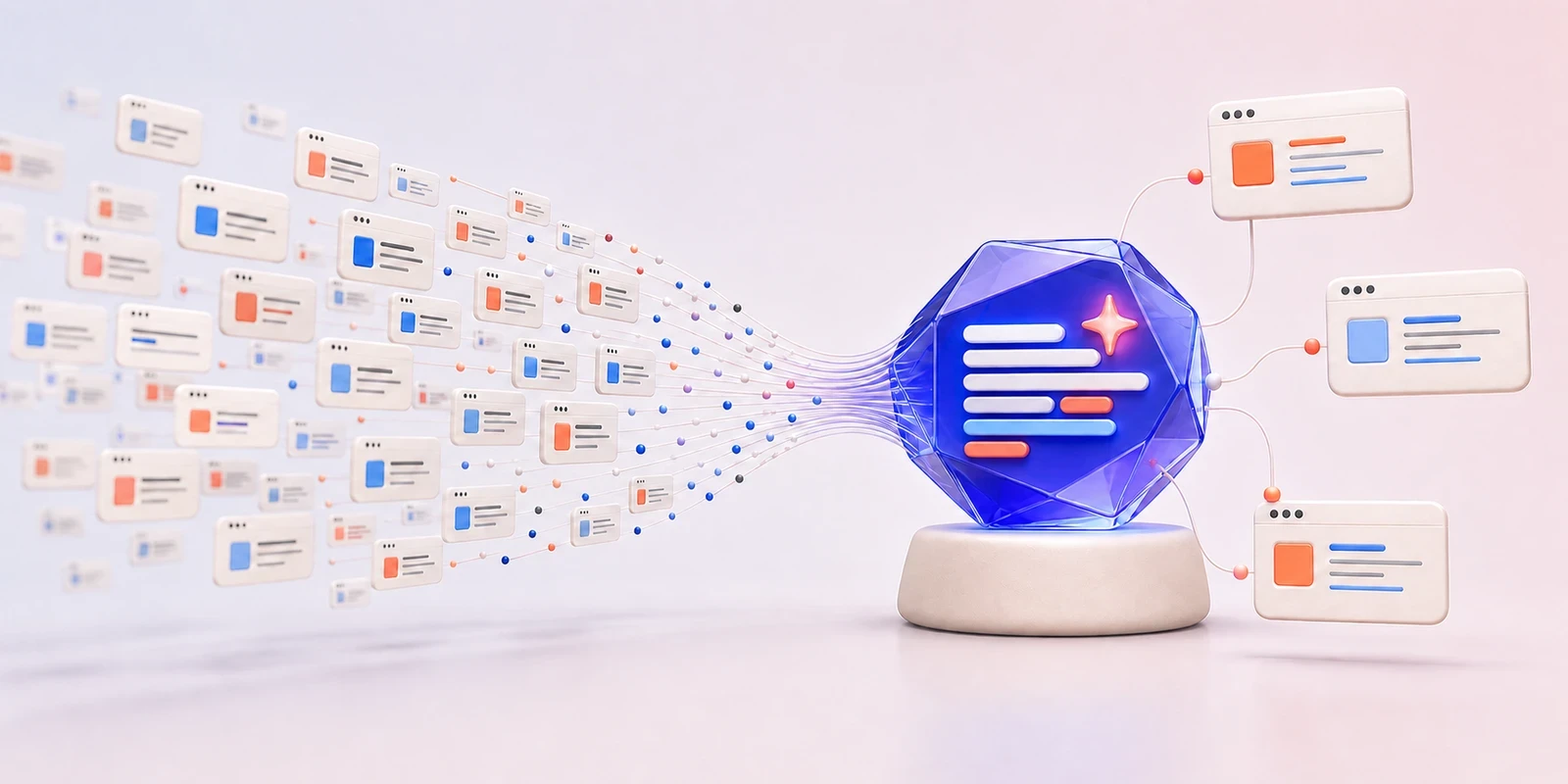
A new generation of AI-powered browser agents can interpret a user’s goal and help complete the steps required to achieve it. Instead of searching through several travel websites, for example, a person may ask an agent to compare suitable flights, organize the results, and prepare a reservation for approval.
This emerging model is often called the agentic web. It represents more than adding a chatbot to a browser. It could change how people interact with websites, how businesses design online services, and how responsibility is shared between users and automated systems.
Why the Agentic Web Matters
The internet contains an enormous amount of useful information, but accessing it often requires repetitive work. Users must navigate menus, dismiss interruptions, complete similar forms, compare inconsistent information, and remember where they found important details.
Browser agents could reduce this burden by performing clearly defined tasks on a user’s behalf. An agent might organize research from multiple sources, prepare an online application, compare products according to a budget, or help schedule an appointment.
Google is already experimenting with WebMCP, a proposed web standard that allows websites to expose structured tools to browser-based agents. Rather than depending entirely on simulated mouse clicks, an agent could interact with functions that a website has intentionally made available. This could make automated tasks more reliable and understandable. Chrome WebMCP documentation
How AI Browser Agents Could Change Everyday Tasks
Agentic browsing could affect many familiar online activities. The most valuable changes may not come from dramatic demonstrations, but from removing small frustrations that people encounter every day.
Travel and Reservations
A browser agent could compare travel dates, identify suitable options, organize prices, and prepare a booking. The user would still review the itinerary and approve payment before the reservation is completed.
Shopping and Product Research
Instead of opening dozens of product pages, users could ask an agent to compare price, availability, delivery time, specifications, and return policies. The agent could summarize meaningful differences while allowing the user to make the final choice.
Research and Information Management
An agent could collect information from several sources, group related findings, identify disagreements, and preserve links to the original material. This would help users examine the evidence instead of relying on an answer with no visible source.
Forms and Administrative Tasks
Applications, registrations, and service requests frequently require information that users have already provided elsewhere. With permission, an agent could prepare these fields, identify missing information, and ask the user to review the completed form before submission.
Potential Benefits of the Agentic Web
Reduced digital friction: Agents could handle repetitive navigation and data entry, allowing people to focus on decisions that require judgment.
Improved accessibility: Natural-language instructions may help people who find complicated interfaces, small controls, or unfamiliar navigation difficult to use.
Faster research: Agents could organize information from multiple websites while preserving the sources needed for verification.
More personalized experiences: A user could specify preferences, limitations, and priorities instead of repeatedly configuring the same options on different websites.
Greater productivity: Routine online tasks could be prepared in the background and presented to the user when a decision or approval is required.
These benefits will depend on thoughtful implementation. Convenience alone should not determine the future of agentic browsing. Users must understand what an agent can access, which actions it can perform, and when it needs approval.
Websites Will Need to Serve People and Agents
Websites have traditionally been designed for human visitors and search-engine crawlers. The agentic web introduces a third audience: software acting under the direction of a person.
This does not mean websites should stop serving humans. It means organizations may need to make important functions more structured and understandable. Product information, booking options, forms, support actions, and transaction steps may need to be clearly described so that both people and authorized agents can use them reliably.
WebMCP reflects this emerging direction by allowing developers to describe website tools and actions in a structured way. The technology is still evolving, but it suggests that future websites may be judged partly by how well they support responsible human-agent collaboration.
Human Control Must Remain Central
An agent that can browse the web may operate inside authenticated accounts, encounter personal information, and reach decisions with financial or legal consequences. This makes user control essential.
The safest model is not unlimited autonomy. It is graduated autonomy. Low-risk tasks, such as organizing public information, may require little supervision. Sensitive actions, such as sending a message, submitting an application, disclosing personal information, or completing a purchase, should require clear confirmation.
Agents should also explain what they intend to do before performing consequential actions. A user should be able to inspect the destination, information being shared, expected result, and any financial commitment.
Google’s guidance for browser agents similarly recognizes risks from malicious instructions and contaminated website content. This means developers must consider not only whether an agent can complete a task, but also whether the instructions it follows are trustworthy. Chrome guidance for agent security
“Automation should increase human agency, not quietly replace it.”
— Logstr.io Research Principle
Building an Agentic Web People Can Trust
The agentic web presents an opportunity to make the internet more useful, accessible, and efficient. It also raises important questions about consent, accountability, transparency, and control.
Organizations developing browser technology will need to determine which actions can be automated, which require approval, and how users can understand an agent’s decisions. Websites must provide accurate information and clearly defined actions. Browser developers must create boundaries that prevent untrusted content from silently influencing sensitive tasks.
For research and development organizations such as Logstr.io, this transition creates an important field of work. The challenge is not simply to make agents capable of navigating the web. It is to develop systems that help people benefit from automation while preserving meaningful oversight.
Conclusion
The agentic web is not merely a faster version of today’s browser. It represents a different relationship between people and the internet.
Instead of manually completing every online step, users may increasingly describe the outcome they want and allow an agent to prepare the work. The most successful systems will combine this convenience with clear explanations, deliberate approvals, reliable sources, and strong user control.
As browsers become more capable of acting on our behalf, the central question will not be whether they can perform a task. It will be whether they can perform it in a way that genuinely serves the person who asked.
Leslie Etubo
Lead Engineer
Share